
Venice starts charging an entrance fee for tourists
Listen to the story (American accent)
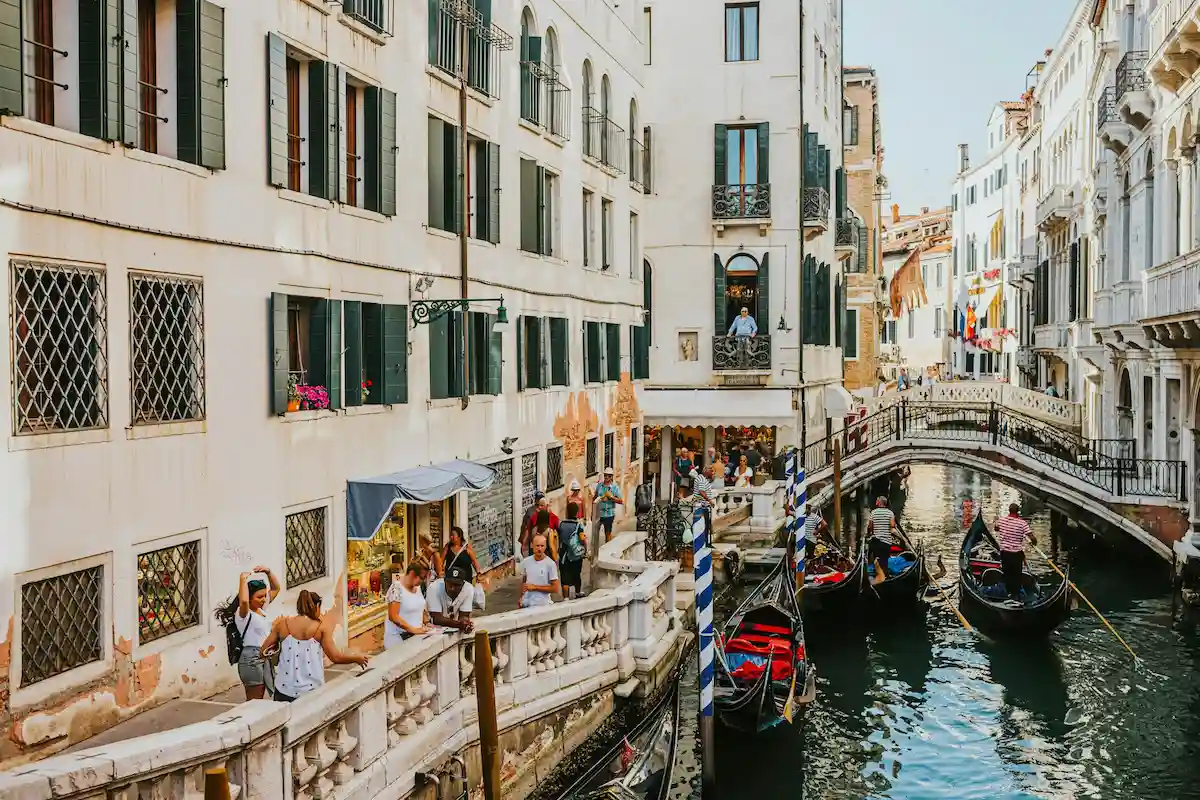
Venice, the Italian city famous for its canals, has introduced a new entrance fee for tourists visiting the city for one day.
It is the first major city in the world to start an entrance fee system. The fee, €5 ($5.37) per person, started on April 25.
Venice Mayor Luigi Brugnaro says the goal is to protect the UNESCO World Heritage site from overtourism and improve life in the city for residents.
However, some residents and activist groups have criticized the decision. They say it turns the city into a "theme park." Matteo Secchi, from Venessia.com, is strongly against the fee. He says an entrance fee doesn't fix the problems and gives people a negative image of Venice.
Since the 1950s, the city’s population has shrunk by around 120,000 people. Many people move away from Venice because of overtourism. The streets and sidewalks become too crowded on busy days.
The city will use the entrance fee system on the 29 busiest days of the year and is only for tourists visiting the historic center. Also, residents, commuters, students, children under 14, and overnight tourists won’t have to pay the fee.
Visitors can pay the fee online and get QR codes for entry. If you don’t have a ticket, there might be fines of €50 to €300.
On the first day, they sold 5,500 tickets and the city earned €27,500 ($29,508). However, the mayor says it’s not just about money, but if the system is successful, he wants to reduce local taxes.
Vocabulary28 words
- Canal
- A waterway, like a river, made by people
- Introduce
- to start using for the first time; launch
- Entrance fee
- Money you pay to go into a place
- Tourist
- Someone who visits a place for fun and to learn about it
- Major
- very important, big or significant
- Mayor
- the leader or person in charge of a city
- Goal
- aim or purpose; objective; target; something you want to achieve or complete
- Protect
- To keep something safe;
- Overtourism
- When too many tourists visit a place, it becomes crowded and uncomfortable
- Resident
- a person who has permission to live somewhere for a long time
- Activist group
- A team of people who work together to make change
- Criticize
- to judge; to find mistakes or problems with something; to complain or say bad things about
- Decision
- a choice that you make about something after thinking about several possibilities/options; choice; ruling;
- Theme park
- A place built for fun, with rides and shows, like Disneyland
- Against
- in opposition to something; to fight; to resist; to try to stop; the opposite of “support”
- A negative image
- A bad impression or opinion
- Population
- all the people living in a particular country, area, or place
- Shrink
- to become less or smaller; to decrease
- Sidewalk
- A path for people to walk on next to a road; The path/way next to the street for people to walk on
- Crowded
- a lot of people or things in a small space
- Historic
- Important or significant and will be remembered for a long time
- Commuter
- A person who travels regularly from home to work or school and back
- Overnight
- for one night; staying or sleeping somewhere for one night or more
- Fine
- a penalty or punishment you have to pay with money
- Earn
- to get something (usually money) because you worked, sold something, or helped someone; to receive
- Reduce
- to make less; make smaller; decrease; bring down; shrink
- Local
- related to or connected to a specific/particular place; existing in or belonging to the area that you are talking about; part of or in the city or country you’re talking about
- Tax
- money that a government requires people or businesses to pay
📚 Ready to use these words in a real conversation?
Practice live with a real tutor on Preply.

Quiz
Answer key
1. To protect the UNESCO World Heritage site. 2. 5,500 3. False
✅ Nice work on the quiz!
Keep the momentum going — book a live English lesson with a Preply tutor.

Fill-in-the-blank listening
Play the audio again and fill in the missing words as you listen.
Venice, the _____ city famous for its canals, has introduced a new entrance fee for tourists _____ the city for one day.
It is the first _____ city in the world to start an entrance fee system. The fee, €_____ ($5.37) per person, started on April 25.
Venice Mayor Luigi Brugnaro _____ the goal is to protect the UNESCO World Heritage site from overtourism and improve _____ in the city for residents.
However, some _____ and activist groups have criticized the decision. _____ say it turns the city into a "theme park." Matteo Secchi, from Venessia.com, is _____ against the fee. He says an entrance fee doesn't fix the problems and _____ people a negative image of Venice.
Since the _____s, the city’s population has shrunk by around 120,000 people. Many people move _____ from Venice because of overtourism. The streets and _____ become too crowded on busy days.
The city will use the _____ fee system on the 29 busiest days of the year and is only for tourists visiting the _____ center. Also, residents, commuters, students, children under _____, and overnight tourists won’t have to pay the fee.
Visitors can pay the fee _____ and get QR codes for entry. If you don’t have a ticket, there might be fines of €50 to €_____.
On the first day, they sold _____ tickets and the city earned €27,500 ($29,508). However, the mayor says it’s _____ just about money, but if the system is successful, he wants to reduce local _____.
Discussion questions
- What do you think about Venice introducing an entrance fee for tourists?
- Do you agree with Matteo Secchi's opinion that the entrance fee gives a negative image of Venice?
- Should other cities with similar overtourism issues follow Venice's example and introduce entrance fees?
- What other solutions could Venice try to manage overtourism besides an entrance fee?
🎓 Enjoyed this story?
Turn today's reading into real speaking practice with a live Preply tutor.

More Politics stories
Next story · Medium
Two people set new Guinness World Record in chess