
Some US politicians don’t have to wear suits anymore
Recently, the leader of the US Senate, Chuck Schumer, changed the dress code for senators.
Schumer said that senators can now wear anything they want. Nobody will enforce a dress code for senate meetings.
Shumer said there is now an “informal dress code,” but he will “continue to wear a suit.”
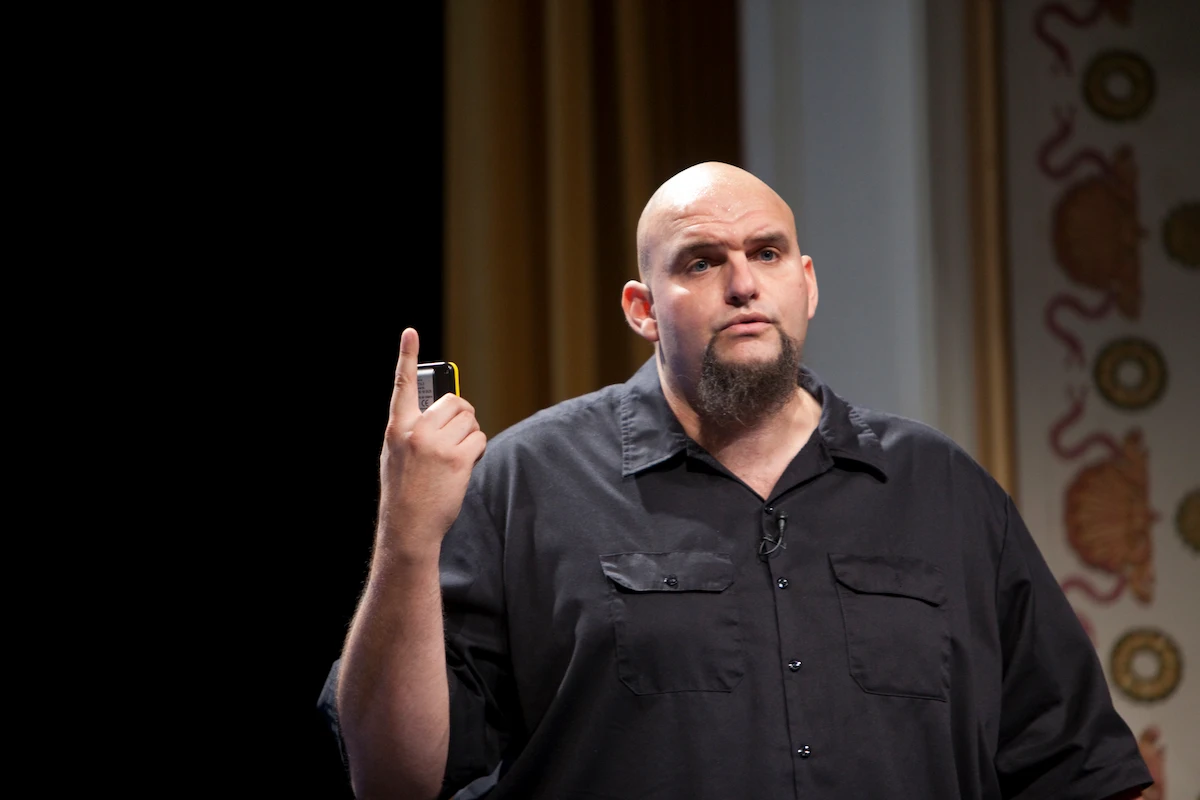
This change comes after Pennsylvania Senator John Fetterman began wearing shorts while doing some of his senate duties. Before the rule change, he stayed out of the main senate room so he didn’t get in trouble for wearing casual clothes.
This new policy is only for senators and not for Senate staff.
Some senators are upset about recent rule changes.
Senator Roger Marshall from Kansas said he's unhappy about the changes. He thinks senators should dress professionally to show respect, the same way people dress formally for a wedding or a funeral.
Senator Susan Collins from Maine agrees with Senator Marshall. She thinks the new rules could make the Senate seem less important. She even made a joke that she might wear a bikini to the senate meetings.
After the rule change, Senator Fetterman arrived for a vote wearing a short-sleeved shirt and shorts. He says he will still wear a suit sometimes.
When asked about the criticism he received, Senator Fetterman pretended to be surprised.
He says he doesn’t understand why people are upset. He thinks there are more important things to worry about than his clothes.
Vocabulary20 words
- Leader
- someone who is in charge of a group, organization or country; a boss or manager; a person who guides, directs, or commands a group
- Senate
- a group of important people who make laws for a country
- Dress code
- a set of rules about what clothes to wear in a certain place, like school or work.
- Senator
- someone who helps make the laws for a state or a country;
- Enforce
- To make sure that a rule or law is followed and respected
- Informal
- relaxed and not very strict or serious
- Duty
- a job or task that you are responsible for and need to do
- Rule
- A guideline or regulation; sometimes a law
- Get in trouble
- When you do something wrong and someone, like a teacher, parent or boss talks to you about it and/or punishes you
- Casual
- relaxed and easy-going; comfortable; not serious
- Policy
- a set of ideas or plans that is used for making decisions; guidelines; code; rules
- Upset
- Feeling sad, angry, or disappointed about something
- Respect
- to treat someone or something with kindness and consideration; to accept differences
- Formally
- done in an official way
- Wedding
- a party for two people who get married
- Funeral
- a ceremony or event for a person who died
- Joke
- to say funny things; to say or do something for amusement or to make other people laugh;
- Vote
- to give your opinion and make an official choice; a way of making a decision by asking a group of people
- Criticism
- a negative comment or negative opinion about something;
- Pretend
- to make-believe or act like something that you are not, like pretending to be a superhero
📚 Ready to use these words in a real conversation?
Practice live with a real tutor on Preply.
✅ Nice work on the quiz!
Keep the momentum going — book a live English lesson with a Preply tutor.
Fill-in-the-blank listening
Play the audio again and fill in the missing words as you listen.
Recently, the _____ of the US Senate, Chuck Schumer, changed the dress _____ for senators.
Schumer said that senators can now _____ anything they want. Nobody will enforce a dress code for _____ meetings.
Shumer said there is _____ an “informal dress code,” but he will “continue to wear a _____.”
This change comes after Pennsylvania Senator _____ Fetterman began wearing shorts while doing _____ of his Senate duties. Before the _____ change, he stayed out of the main Senate room so he didn’t _____ in trouble for wearing casual _____.
This new policy is _____ for senators and not for Senate _____.
Some senators are upset about _____ rule changes.
Senator Roger Marshall from Kansas said he's _____ about the changes. He thinks senators should dress professionally to _____ respect, the same way people dress formally for a wedding or a _____.
Senator Susan Collins from Maine _____ with Senator Marshall. She thinks the new rules could make the Senate _____ less important. She even made a joke that she might wear a _____ to the Senate meetings.
After the rule _____, Senator Fetterman arrived for a vote wearing a short-sleeved shirt and shorts. He says he will _____ wear a suit sometimes.
When asked _____ the criticism he received, Senator Fetterman pretended to be _____.
He says he _____ understand why people are upset. He thinks there are more _____ things to worry about than his clothes.
Discussion questions
- What do you think about the change in the Senate dress code? Is it a good idea or a bad idea? Why?
- How do you think the new dress code might affect the perception of the Senate? Will it make it seem more or less important?
- If you were a senator, how would you choose to dress for Senate meetings? Explain your choice.
- Should there be dress codes in other workplaces, like offices or schools? Why or why not?
🎓 Enjoyed this story?
Turn today's reading into real speaking practice with a live Preply tutor.
More Other stories
Next story · Medium
Elon Musk’s company Neuralink will test on humans