
Self-driving cars in San Francisco don’t get traffic tickets
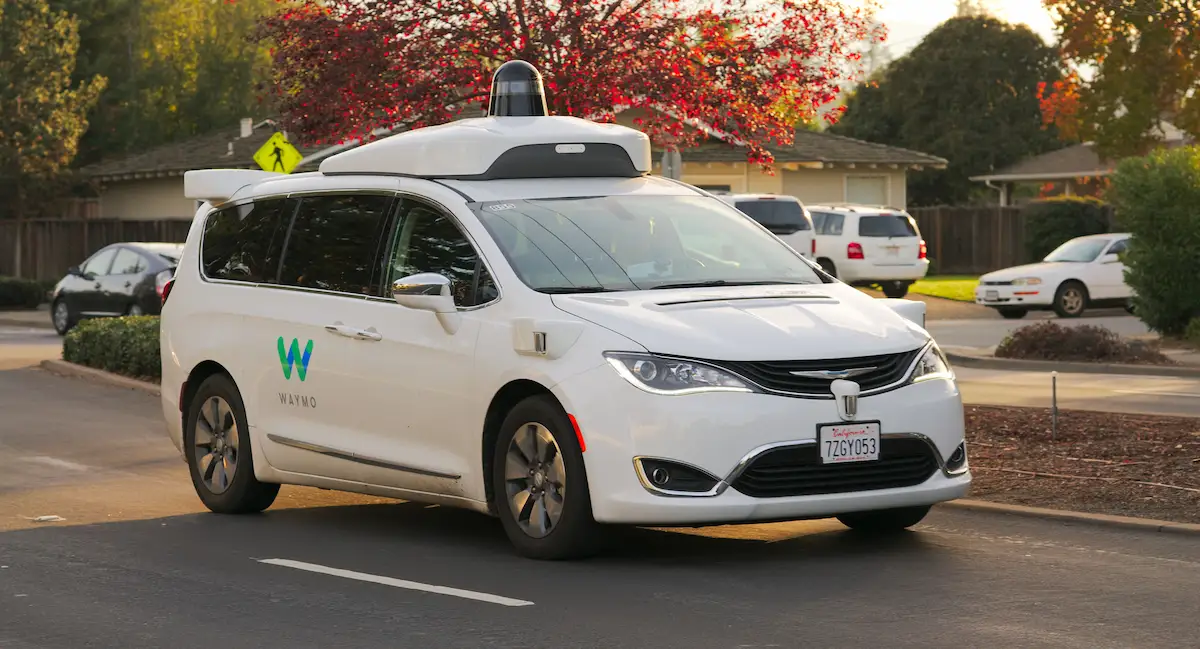
In San Francisco, self-driving cars don't get traffic tickets if no one is sitting in the driver's seat, according to the San Francisco police department (SFPD).
Many people are concerned about the rules and safety of these cars. It seems California's laws haven't changed for driverless cars yet. According to the rules, police can stop self-driving cars if they break traffic laws, but they can only give a ticket if there's a “safety driver” in the car.
Since June 2022, some self-driving cars can drive without anyone inside them if they stay in San Francisco. If these cars break small rules when the car isn’t moving, like parking in the wrong place, the car owner can still get a ticket. However, the car owner won't get a ticket for breaking rules when the car is moving like speeding or driving through a red light.
Other places, like Texas and Arizona, have changed their laws for self-driving cars. In those states, if a self-driving car breaks a rule, the car owner gets the ticket. Even if there's no one inside the car. But in California, things are different. California has the most self-driving cars in the US. There are more than 500 cars in San Francisco from companies like Waymo and Cruise.
The California department of motor vehicles said that self-driving cars need to follow all California driving rules, but they didn't say how police should give tickets to them.
Police departments in other cities in California did not answer questions about the rules.
Vocabulary18 words
- Self-driving
- a car that can travel or move without a human driver
- Traffic ticket
- A paper you get from a police officer when you don't follow traffic rules. The ticket usually means you have to pay a fine/punishment
- Driver’s seat
- The place in a car where the person who is driving sits; the seat in a car with the steering wheel
- According to
- as ‘someone’ said; as stated by ‘someone’; in the opinion of ‘someone’
- Police department
- the police force in an area or city; A group of police who work in one city or area
- Concerned
- worried; anxious; troubled; bothered
- Rule
- A guideline or regulation; sometimes a law
- Law
- a rule, regulation, or guideline set by the government
- Driverless
- without a driver; no driver; nobody controlling the vehicle
- Break the law
- to do something that is illegal or not allowed; Violate or fail to comply with a law or regulation; not follow a law
- Safety driver
- A person who is in a self-driving car to take control if needed; a “driver” in a self-driving car
- Park
- To stop a car and leave it there/in a place
- Owner
- The person who has the right to control something; the person who has something and can decide what happens to it.
- Speeding
- Driving a car faster than allowed by the law
- Drive through a red light
- To keep driving when the traffic light is red, which is not allowed.
- State
- A large area of land that has its own government (The USA has 50 states)
- Vehicle
- a machine, usually with wheels and an engine, used for transporting people or goods; car or truck
- Follow a rule
- Do what the rule says; To do what the guideline or instruction says
📚 Ready to use these words in a real conversation?
Practice live with a real tutor on Preply.

✅ Nice work on the quiz!
Keep the momentum going — book a live English lesson with a Preply tutor.

Fill-in-the-blank listening
Play the audio again and fill in the missing words as you listen.
In San Francisco, self-driving cars _____ get traffic tickets if no one is sitting in the driver's seat, according to the San Francisco _____ department (SFPD).
Many people are concerned about the _____ and safety of these cars. It seems California's laws haven't changed for _____ cars yet. According to the rules, police can stop self-driving cars if they _____ traffic laws, but they can only give a ticket if there's a “safety driver” in the _____.
Since June _____, some self-driving cars can drive without anyone _____ them if they stay in San Francisco. If these cars break small rules when the car isn’t _____, like parking in the wrong place, the car owner can still get a _____. However, the car owner won't get a ticket for breaking _____ when the car is moving like speeding or driving through a _____ light.
Other places, like Texas and _____, have changed their laws for self-driving cars. In those _____, if a self-driving car breaks a rule, the car owner gets the ticket. _____ if there's no one inside the car. But in California, _____ are different. California has the most self-driving cars in the US. There are _____ than 500 cars in San Francisco from _____ like Waymo and Cruise.
The California department of _____ vehicles said that self-driving cars need to _____ all California driving rules, but they didn't say how police _____ give tickets to them.
Police departments in other cities in California did not _____ questions about the rules.
Discussion questions
- How do you feel about the idea that the car owner doesn't get a ticket if a self-driving car breaks a rule?
- In your opinion who should get a ticket or be punished when a self-driving car makes a mistake? The car owner, the manufacturer, or someone else?
- Do you feel safe sharing the road with self-driving cars? Why or why not?
- What do you think the future holds for self-driving cars? Will they replace traditional cars one day?
🎓 Enjoyed this story?
Turn today's reading into real speaking practice with a live Preply tutor.

More Politics stories
Next story · Medium
Original Mickey Mouse is free to use