
Scientists make new “exercise drug”
Listen to the story (American accent)
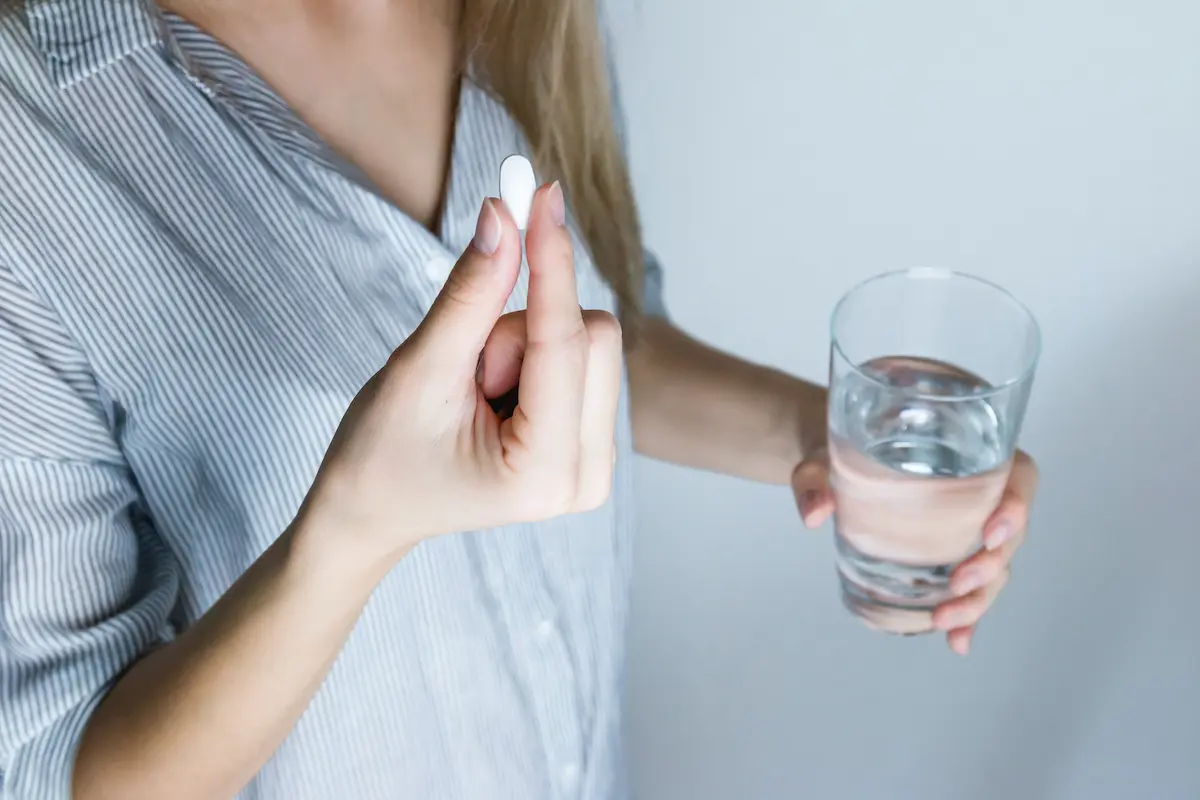
Scientists have successfully tested a new drug that gives someone the benefits of a good workout.
Scientists from the University of Florida tested the drug on obese mice. The drug made the mice use more energy. It also helped the mice lose weight and gain muscle.
Exercising regularly is good for your health, especially for people with heart problems, diabetes, and some cancers. According to the National Health Service (NHS) in the UK, it’s also good for your brain. Exercise can reduce stress, depression, and the risk of dementia.
The World Health Organization (WHO) says that people should exercise between 2.5 and 5 hours each week. Unfortunately, 25 percent of adults and 80 percent of kids between the age of 10 and 19 don’t do that.
For many years, scientists have been searching for ways to get some of the benefits of exercise without actually exercising. Now, maybe they have found one.
This team of scientists tested a new drug called SLU-PP-332 for 28 days.
The results were very good. The mice that took the drug burned more calories, had less fat in their bodies, and improved their metabolism. This is similar to what happens when you exercise.
This drug could help people stay healthy as they get older. However, scientists have to test the drug for safety on humans first.
Vocabulary25 words
- Scientist
- a person who studies science or the natural world; researcher
- Successfully
- done well; achieved the desired result; works the way it's supposed to
- Test
- to do something to learn if it is safe, works correctly, etc.; try out
- Drug
- any natural or artificially made chemical that is used as a medicine; any natural or artificially made chemical that is taken for pleasure/fun, to improve performance or because a person feels like they need it; something people take to ‘feel good’
- Benefit
- advantage; something good; merit; strong point; perk
- Workout
- exercises and physical activities to make your body strong and healthy
- Obese
- very overweight and have too much body fat
- Mouse (plural: mice): a small animal with a long tail; ??
- Gain
- To get something that you didn't have before; to increase; to add to
- Muscle
- ?; a part of your body that helps you move; the tissue that makes up your body's strength
- Regularly
- to happen often; repeat; frequently
- Diabetes
- A health condition where your body has trouble controlling the amount of sugar in your blood
- Cancer
- a disease in which some of the body's cells grow uncontrollably and spread to other parts of the body
- According to
- as ‘someone’ said; as stated by ‘someone’; in the opinion of ‘someone’
- Brain
- ?; the organ in humans and animals that we use to think
- Reduce
- to make less; make smaller; decrease; bring down; shrink
- Depression
- A mental illness that causes a person to feel sad, hopeless, and have low energy
- Risk
- danger; chance of danger; the possibility of danger
- Dementia
- a serious loss of mental abilities, such as memory and thinking skills, that affects a person's daily life
- Way
- a method or manner; a method or path to do something
- Result
- outcome; findings; conclusion; answer;
- Burn calories
- using energy when you move and do activities; to use the calories in your body
- Calorie
- a unit used in measuring the amount of energy food gives you when eaten and digested
- Metabolism
- the way our bodies use food and energy to stay alive; chemical processes that occur in living cells and tissues to maintain life
- Human
- a person; a man, woman or child
📚 Ready to use these words in a real conversation?
Practice live with a real tutor on Preply.

✅ Nice work on the quiz!
Keep the momentum going — book a live English lesson with a Preply tutor.

Fill-in-the-blank listening
Play the audio again and fill in the missing words as you listen.
Scientists _____ successfully tested a new drug that gives _____ the benefits of a good workout.
Scientists from the _____ of Florida tested the drug on obese mice. The drug _____ the mice use more energy. It also helped the mice _____ weight and gain muscle.
Exercising regularly is good for your _____, especially for people with heart problems, diabetes, and some _____. According to the National Health Service (NHS) in the _____, it’s also good for your brain. _____ can reduce stress, depression, and the risk of dementia.
The World Health Organization (WHO) _____ that people should exercise between 2.5 and 5 hours each _____. Unfortunately, 25 percent of adults and 80 percent of kids between the age of _____ and 19 don’t do that.
For many _____, scientists have been searching for ways to get some of the _____ of exercise without actually exercising. Now, maybe they have _____ one.
This team of scientists _____ a new drug called SLU-PP-332 for 28 days.
The results were very good. The _____ that took the drug burned more calories, had less _____ in their bodies, and _____ their metabolism. This is similar to what happens when you _____.
This drug could help _____ stay healthy as they get older. However, scientists have to test the drug for safety on _____ first.
Discussion questions
- Why do you think many people don't exercise as much as they should?
- Would you be interested in a drug that copies the benefits of exercise? Why or why not?
- What do you think are some potential risks of the drug?
- Have you ever tried any diets or weight loss pills? What were the results?
🎓 Enjoyed this story?
Turn today's reading into real speaking practice with a live Preply tutor.
More Science stories
Next story · Medium
The Ryder Cup has crazy fans