
Plane 10 Minutes Late Not Allowed to Land in Japan
Listen to this story (British accent)
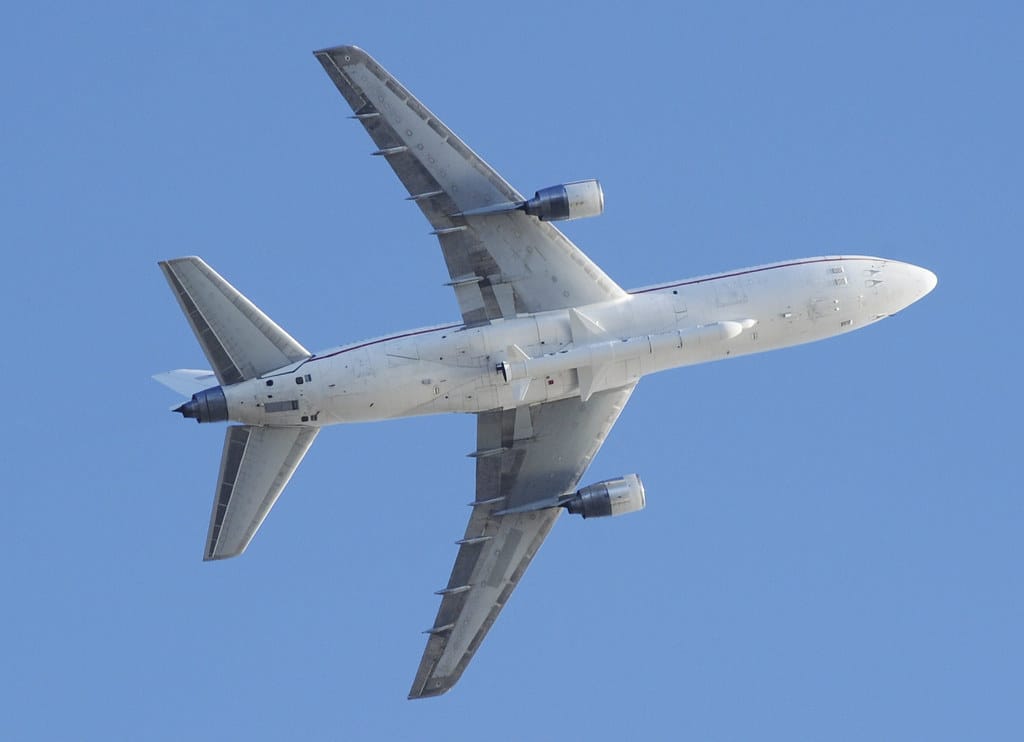
A Japan Airlines flight was not allowed to land at its destination and had to return to Tokyo because it was 10 minutes late.
On February 19, flight JAL 331 departed Haneda Airport in Tokyo at 8 p.m., one hour after its scheduled departure.
The flight was scheduled to arrive at Fukuoka airport at 8:30 p.m., but arrived at 10:10 p.m.
Fukuoka Airport has a strict 10 p.m. cut-off time, so the flight was not allowed to land. It had to return to Tokyo, which took almost 5 hours.
Normally, a flight between Fukuoka and Tokyo is around 2 hours, but flight JAL 331 had to stop at Kansai Airport in Osaka to refuel. Passengers and crew members were not happy.
According to Asahi Shimbun, a newspaper in Japan, there were 335 passengers on the flight.
Japan Airlines had to arrange hotel rooms for all of the passengers to stay in. The next morning, the flight was able to land at Fukuoka Airport.
It’s not clear why flight JAL 331 departed late from Tokyo. Officials say that planes are usually allowed to land after 10 p.m. if they are late because of weather or too much air traffic.
The cut-off time in Fukuoka is to reduce noise pollution.
Fukuoka and Tokyo are about 885 km apart (550 miles).
Vocabulary20 words
- Flight
- a trip on a plane; travel by airplane
- Allowed
- permission to do something; it’s OK; permitted; you may; you can
- Land
- to come down from the air/sky and touch the ground;
- Destination
- the place a person travels to; the place something is sent to; target location; last stop; goal
- Depart
- to leave or go away from a place, especially when you are traveling
- Scheduled
- planned or arranged for a specific time; to have a schedule for
- Departure
- the action of leaving; the start of a journey
- Arrive
- to reach or get to a destination; when the journey ends
- Strict
- severe; harsh; no flexibility; exact; strong
- Cut-off
- limit; to end; a point in time when you can no longer do something
- Refuel
- to add fuel or gas to a vehicle or airplane
- Passenger
- a person who is traveling in a vehicle, or on a train or plane, but is not driving it or working on it
- Crew member
- a person who works on a vehicle or airplane, for example, a pilot, flight attendant, or mechanic
- According to
- as ‘someone’ said; as stated by ‘someone’; in the opinion of ‘someone’
- Arrange
- to organize or plan something; to make preparation for
- Official
- a person who works for the government or a government company and has power or authority; officer; executive
- Air traffic
- all the airplanes flying in the air
- Reduce
- to make less; make smaller; decrease; bring down; shrink
- Noise pollution
- unpleasant and undesirable sound which leads to discomfort in human beings; loud or annoying sounds that can harm people's health and the environment
- Apart
- separated by a distance or by time; not connected; not next to each other; there is space or time between
📚 Ready to use these words in a real conversation?
Practice live with a real tutor on Preply.
✅ Nice work on the quiz!
Keep the momentum going — book a live English lesson with a Preply tutor.

Discussion questions
- What do you think about Fukuoka airport's strict 10 p.m. cut-off time? Is it reasonable to make 335 passengers go back to where they departed from because of noise pollution concerns? Is it fair?
- What can airlines and airports do to manage flights better and stop things like this from happening again?
- Should airlines improve how they tell people about important things that happen during their trip? What can they do to make it better for people when unexpected events happen?
🎓 Enjoyed this story?
Turn today's reading into real speaking practice with a live Preply tutor.

More Other stories
Next story · Medium
Facebook and Twitter Want Money for Security