
New Zealand Might Lower Voting Age to 16
Listen to the story (Filipino accent)
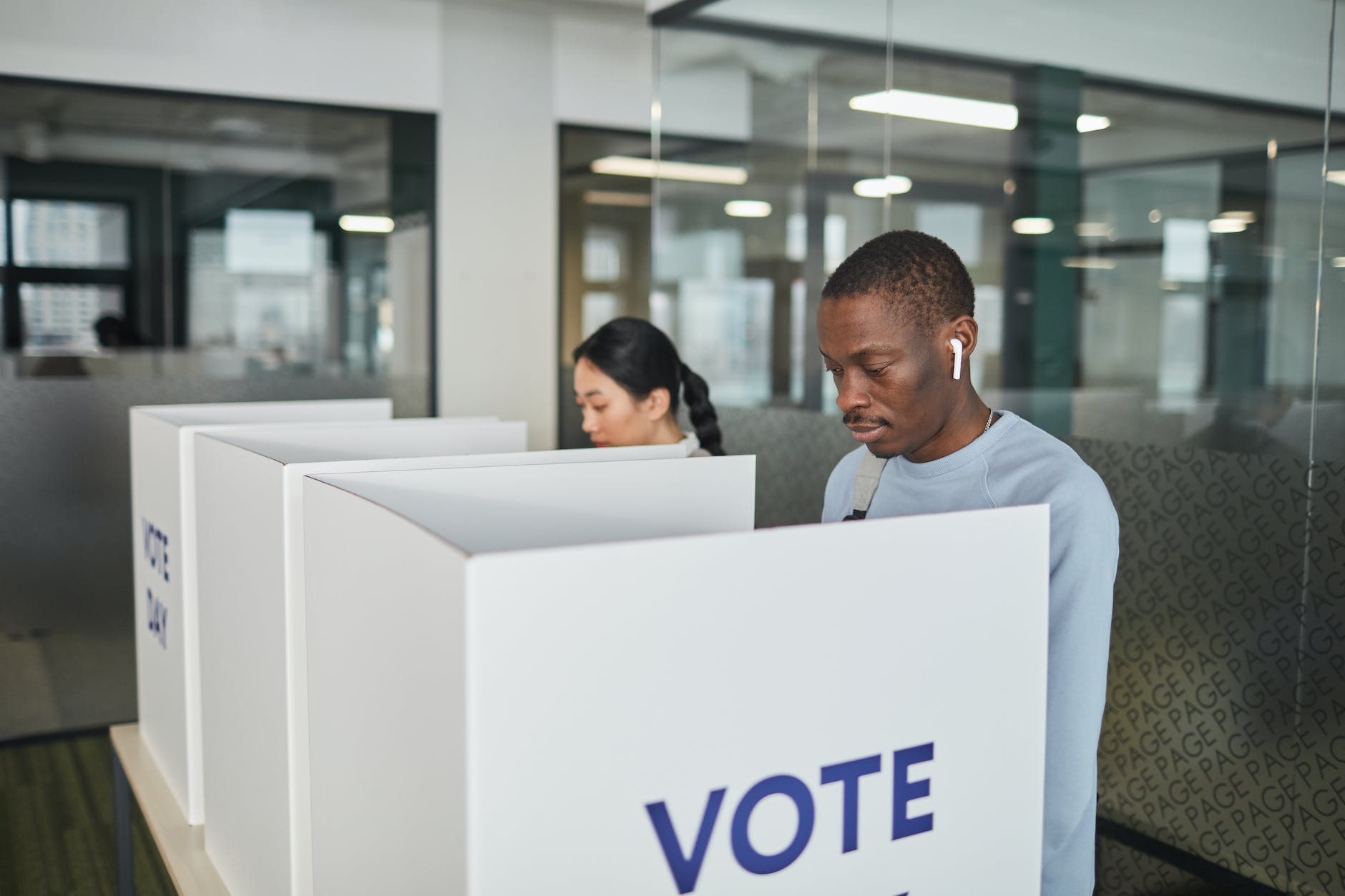
Politicians in New Zealand will soon vote to decide the voting age in the country. Currently, the voting age is 18 years old, but Prime Minister Jacinda Ardern says they might lower it to 16 years old.
The Supreme Court of New Zealand recently said that not allowing 16- and 17-year-old people vote is age discrimination.
Prime Minister Ardern supports lowering the voting age to 16, but 75% of the lawmakers must agree. Many say it’s unlikely to change anytime soon.
There are other countries that are considering lowering the voting age. There are already some countries which allow 16-year-olds to vote, for example Austria, Malta, Brazil, Cuba, and Ecuador.
Supporters of the lower voting age in New Zealand say that issues like the COVID-19 pandemic and climate change affect younger people more.
According to Ardern, the lawmakers will probably vote within the next few months.
The two biggest conservative parties in New Zealand say that they oppose changing the voting age.
In 1969 New Zealand lowered the voting age from 21 to 20 years old. Then, in 1974, the country lowered the voting age to 18.
Vocabulary18 words
- Politician
- a person who works in politics; a person who works in the government
- Vote
- to give your opinion and make an official choice; a way of making a decision by asking a group of people
- Decide
- to choose something; make a choice from many different options; choose; select
- Voting age
- the minimum age someone can legally vote; the youngest a person can be to vote
- Prime minister
- the head or leader of an elected government
- Court
- an agency or part of government with judges who decide what is right or wrong
- Discrimination
- to treat one type of person or a group of people less fairly or less well than other groups or types of people; to to act unfair or meanly to certain groups or types of people
- Support
- to agree with a person or idea; to approve of an idea; promote;
- Lawmaker
- a person, usually a politician, who makes laws; legislator;
- Unlikely
- not expected to happen; not likely; doubtful; improbable
- Consider
- to think about carefully; to take ‘something’ into account when thinking or deciding;
- Issue
- a subject or problem that people are thinking and/or talking about; matter; topic; problem
- Pandemic
- when a disease or sickness goes all over the country or world
- Climate change
- the fast and dangerous change in weather happening around the world
- According to
- as ‘someone’ said; as stated by ‘someone’; in the opinion of ‘someone’
- Conservative
- prefer traditional ideas, don’t like change, support a free business market and private property
- Party (political party)
- an organization of people with the same political views; a group of people who work together to get political power
- Oppose
- to go against something or fight to stop it; to disagree
📚 Ready to use these words in a real conversation?
Practice live with a real tutor on Preply.

✅ Nice work on the quiz!
Keep the momentum going — book a live English lesson with a Preply tutor.
🎓 Enjoyed this story?
Turn today's reading into real speaking practice with a live Preply tutor.

More Other stories
Next story · Medium
Tourism in Asia and the Pacific Still Low