
Lions killing less zebras because of ants
Listen to the story (American accent)
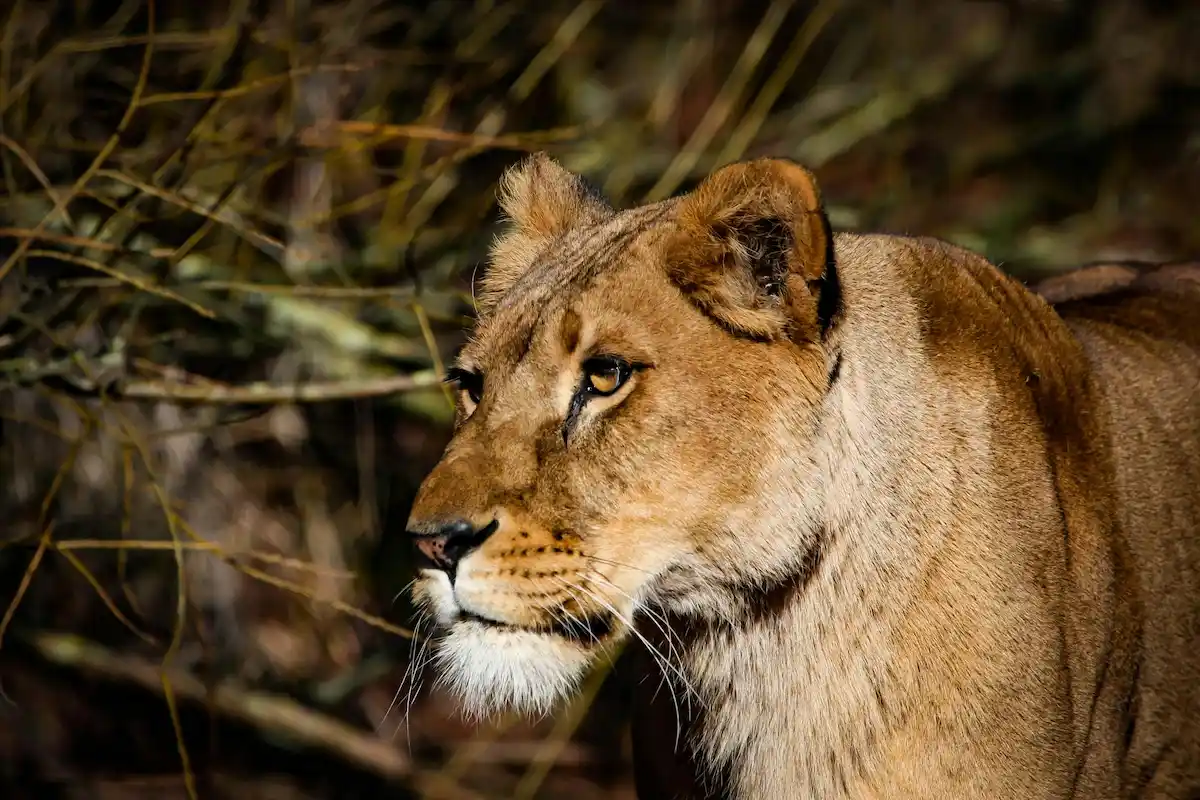
In East Africa, a small bug is causing big problems for lions. The increase of big-headed ants is stopping lions from killing zebras.
Professor Todd Palmer from the University of Florida says the decrease in zebra kills is because of a change in the relationship between native ants and the trees they live in. The trees that the native ants live in are cover for lions.
The native acacia ants protect whistling-thorn trees from hungry elephants. The acacia ants bite the elephants and the elephants leave. The native ants eat and live in the trees.
However, big-headed ants, which are not native to the area, can take over these trees by killing acacia ants and eating their eggs. These invasive big-headed ants do not protect the trees.
In areas where these big-headed ants have taken over, elephants damage trees five to seven times more than in areas without these ants.
The researchers studied different areas in Kenya, some areas with elephants and some without. They found that when big-headed ants and elephants were both present, there were fewer trees. Without trees, it’s hard for a lion to hide and hunt zebras.
The researchers found that zebra kills were about three times more likely in areas with lots of trees and no big-headed ants.
Lion populations seem to be stable now, but Palmer is worried about the spread of big-headed ants. If more acacia trees are lost, it could seriously change the area and affect the food for other animals like rhinos and giraffes.
Vocabulary22 words
- Bug
- A small insect; a small animal, usually with more than four legs
- Cause
- make something (usually bad) happen; create
- Ant
- ?; a small insect that lives in groups
- Kill
- To make something or someone stop living; murder
- Professor
- a teacher at a university
- Relationship
- The way two people or things are connected to each other; connection; the way in which two or more people feel and behave towards each other
- Native
- original; from the area; domestic
- Cover
- Something that protects or hides
- Protect
- keep safe or secure; guard; defend
- Bite
- Using the teeth to cut or clamp onto something
- Take over
- take control of; assume power; gain control;
- Invasive
- not natural to the area, spreads quickly and harmful to the new area
- Researcher
- a person who does research; a person who studies something to find new results
- Study
- the activity of examining/studying something in detail to discover new information; research; investigation
- Find
- realize; learn; discover;
- Present
- Something that is there or happening now; to be in a place; existing now; there; here
- Hide
- to keep something out of sight; to conceal something; to make something not possible to see; to make it difficult to find something
- Hunt
- to search for and try to catch or kill an animal, sometimes for sport
- Population
- a community of animals, plants, or humans; all the living things of a particular type or group which live in a particular area or environment.
- Stable
- When things stay mostly the same and don't change much;
- Worry
- to be/feel concerned or nervous; to be troubled; to think a lot about a negative situation; a little scared
- Spread
- to open out; to extend over an area; to move apart to cover a bigger area
📚 Ready to use these words in a real conversation?
Practice live with a real tutor on Preply.

✅ Nice work on the quiz!
Keep the momentum going — book a live English lesson with a Preply tutor.
Fill-in-the-blank listening
Play the audio again and fill in the missing words as you listen.
In East Africa, a small _____ is causing big problems for lions. The increase of big-headed ants is _____ lions from killing zebras.
Professor Todd Palmer _____ the University of Florida says the decrease in zebra kills is because of a _____ in the relationship between native ants and the trees they _____ in. The trees that the native ants live in are cover for _____.
The native acacia ants _____ whistling-thorn trees from hungry elephants. The acacia ants bite the _____ and the elephants leave. The native ants eat and live in the _____.
However, big-headed ants, _____ are not native to the area, can take over these trees by killing acacia _____ and eating their eggs. These invasive big-headed ants _____ not protect the trees.
In areas where these big-headed ants have _____ over, elephants damage trees five to seven times more than in _____ without these ants.
The _____ studied different areas in Kenya, some areas with elephants and some _____. They found that when big-headed ants and elephants _____ both present, there were fewer trees. Without trees, it’s hard for a _____ to hide and hunt zebras.
The researchers found that _____ kills were about three times more likely in areas with lots of _____ and no big-headed ants.
Lion _____ seem to be stable now, but Palmer is worried about the _____ of big-headed ants. If more acacia trees are lost, it _____ seriously change the area and affect the food for other animals _____ rhinos and giraffes.
Discussion questions
- What do you think could be done to control the spread of big-headed ants? Should people do something?
- Why do you think the loss of acacia trees could affect other animals like rhinos and giraffes?
- How do you think the decrease in zebra kills might affect the lion population in the future?
- How important do you think it is for researchers to study the relationships between different species in an ecosystem?
🎓 Enjoyed this story?
Turn today's reading into real speaking practice with a live Preply tutor.

More Nature stories
Next story · Medium
Saudi Arabia will open first alcohol shop in more than 70 years