
Footballers May Have Bad Brain Health After 65
Listen to the story (New Zealand accent)
A new report says that after age 65, professional soccer players have a higher chance of worse brain health than other people.
A study compared 75 former professional soccer players to non-soccer players. The researchers found that soccer players had better brain health in their 40s compared to other people.
However, at around age 65, the soccer players stopped doing well on brain health tests. Skills and abilities like reaction time, planning, memory, movement and focusing declined.
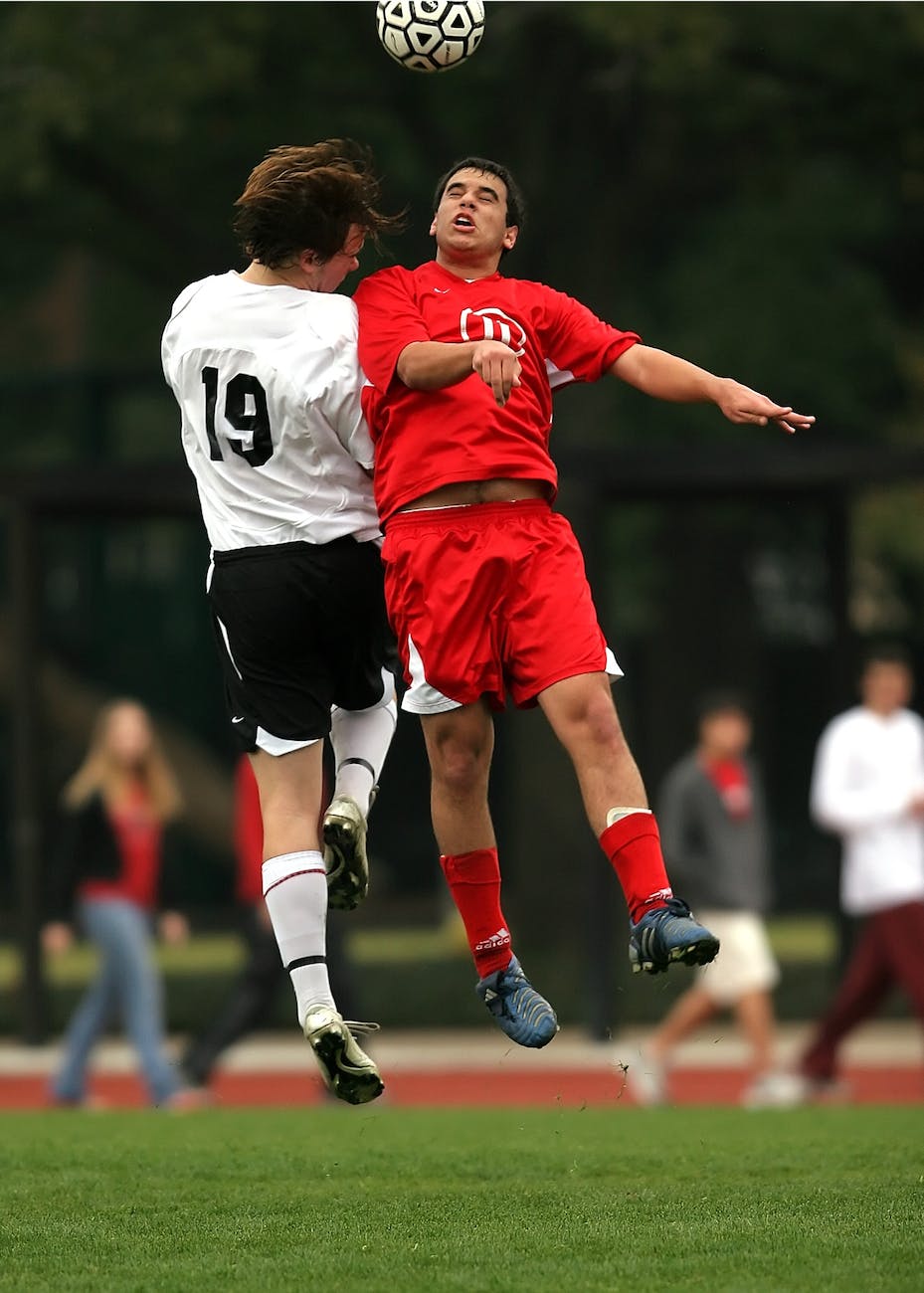
The lead researcher of the study, Dr. Michael Grey, says we already knew that hitting the ball with your head (heading the ball) increases the risk of dementia. However, there was not a lot of information about when a soccer player's brain health starts to decline.
In 2019, researchers at the University of Glasgow found that professional soccer players are three and a half times (3.5x) more likely to die because of dementia than other people.
Dr. Grey, from the University of East Anglia’s School of Health Sciences, says that former soccer players in the 40- to 50-year-old age group actually did better on brain health tests than other people. But, things start to get worse at age 65.
The research shows that exercise from playing soccer is good for the brain but contact sports can have negative impacts later in life.
Dr. Grey wants to expand his research to include women and recreational athletes.
Vocabulary24 words
- Report
- a written description of an event; story; article; the results of a study or project
- Chance(s)
- a possibility of something happening; odds;
- Brain
- ?; the organ in humans and animals that we use to think
- Study
- the activity of examining/studying something in detail to discover new information; research; investigation
- Former
- previous; past; ex-; before; in the past
- Researcher
- a person who does research; a person who studies something to find new results
- Find
- realize; learn; discover;
- in their 40s
- age 40 to 49
- Skill: a special ability that you learn and improve over time, often through practice and experience
- Ability
- the quality or power to do something well, such as a natural talent or a learned skill
- Reaction
- behavior, a feeling or an action that is a direct result of something else; a person's ability to respond physically and mentally
- Memory
- the ability to remember information, experiences, and people from the past
- Movement
- the act or action of moving your body or parts of your body; motion
- Decline
- go down; decrease
- Lead
- the person who makes decisions; head; manager; top
- Risk
- danger; chance of danger; the possibility of danger
- Dementia
- a serious loss of mental abilities, such as memory and thinking skills, that affects a person's daily life
- Likely
- high chance; surely; high certainty; more than 70%
- Show
- to prove something or make the truth or existence of something known; confirm; demonstrate; validate
- Contact sport
- a sport that involves physical contact/touch between players and/or equipment (e.g., football, boxing, wrestling)
- Impact
- influence; effect; consequence;
- Expand
- to increase in size or number; to open out; spread
- Recreation
- activity done for enjoyment; something done for pleasure or to relax; entertainment; pleasure; in free time
- Athlete
- a person who is trained in and good at sports or physical exercise
📚 Ready to use these words in a real conversation?
Practice live with a real tutor on Preply.

✅ Nice work on the quiz!
Keep the momentum going — book a live English lesson with a Preply tutor.

🎓 Enjoyed this story?
Turn today's reading into real speaking practice with a live Preply tutor.

More Science stories
Next story · Medium
Japan, UK and Italy Will Build Fighter Jet