
Eye drops could replace eyeglasses and surgery, help people read
Listen to the story (Indian accent)
New eye drops may help people with a common eye problem. This problem is called presbyopia, or longsightedness. It makes it hard for eyes to see things close up, like a book or cell phone. Many people use reading glasses or have surgery for this problem. But glasses can be difficult to use, and surgery is not for everyone.
Now, doctors are testing new eye drops. They say the drops could be a good choice instead of glasses or surgery. A recent study in Copenhagen showed good results. Many people who used the drops could read better. Their good vision lasted for two years.
The drops have two medicines inside. The first medicine is pilocarpine. It makes the black part of the eye, the pupil, smaller. It also helps the eye’s muscles work better to focus. The second medicine is diclofenac. It helps stop swelling and pain.
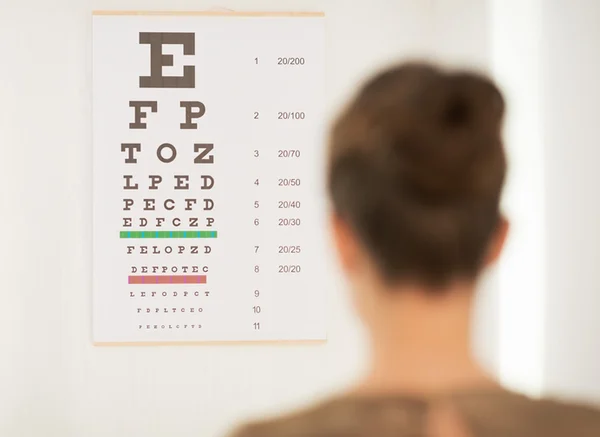
The study included 766 people in Argentina. They used the drops two times a day. Some people got drops with 1% pilocarpine. Almost all of them could read two or more extra lines on an eye chart. Other groups used drops with 2% or 3% pilocarpine. Many people in these groups could read three or more extra lines.
A doctor in the study said the drops gave people better vision quickly. One hour after using the drops, people could read many more lines on the eye chart. This new treatment could be a safe and helpful choice for people with longsightedness.
Some people had side effects. These included their vision being blurry for a short time, irritation in the eye, and headaches. Doctors want to do more studies to make sure the drops are safe for everyone.
Vocabulary28 words
- Eye drop
- A small amount of liquid medicine that you put into your eye; 💧
- May
- A word that shows something is possible, but not certain; could; possibly
- Common
- Happens a lot; normal; usual
- Longsightedness
- An eye problem that makes it hard to see things that are near to you
- Close up
- When something is very near to you
- Cell phone
- cellular phone; mobile phone; smartphone; 🤳
- Reading glasses
- Special glasses that help you see things close to you more clearly; glasses that help people read small words more easily
- Surgery
- a medical operation/action/procedure to repair or remove part of the body
- Test
- to do something to learn if it is safe, works correctly, etc.; try out; to try
- Instead
- rather than; in place of something else; “not that, but something else”; substitute; alternative
- Recent
- not long ago;
- Study
- the activity of examining/studying something in detail to discover new information; research; investigation
- Show
- to prove something or make the truth or existence of something known; confirm; demonstrate; to display; to represent
- Result
- outcome; findings; conclusion; answer; What happened at the end of a study or test
- Vision
- A plan for the future
- Medicine
- something, usually a liquid or a pill, that helps illness or injury; a pill, injection or liquid that helps you when you are sick
- Muscle
- 💪; a part of your body that helps you move; the tissue that makes up your body's strength
- Focus
- To make something look clear to your eyes; to look at something with clear vision
- Swelling
- When a part of your body becomes bigger/fatter because of injury or sickness
- Include
- to contain; incorporate; to be part of; to have something smaller as a part of it; come with
- Line
- A row of words or letters
- Eye chart
- A paper with rows of letters used by doctors to test your vision
- Treatment
- medical care; surgery; the process of fixing an injury or illness
- Side effect
- An unwanted feeling caused by medicine; a bad problem that can happen when you take medicine
- Blurry
- When something is not clear and hard to see
- Irritation
- A feeling of being sore or itchy; something that annoys/bothers you
- Headache
- A pain in your head
- Make sure
- To ensure or double-check that something is done correctly or as planned
📚 Ready to use these words in a real conversation?
Practice live with a real tutor on Preply.

Quiz
Answer key
1. A new treatment for an eye problem 2. Reading glasses or surgery 3. True
✅ Nice work on the quiz!
Keep the momentum going — book a live English lesson with a Preply tutor.

Fill-in-the-blank listening
Play the audio again and fill in the missing words as you listen.
New _____ drops may help people with a common eye _____. This problem is called presbyopia, or longsightedness. _____ makes it hard for eyes to see things close _____, like a book or cell phone. Many people use reading _____ or have surgery for this problem. But glasses can be _____ to use, and surgery is not for everyone.
Now, doctors _____ testing new eye drops. They say the drops could be a good _____ instead of glasses or surgery. A recent _____ in Copenhagen showed good results. Many people _____ used the drops could read better. _____ good vision lasted for two years.
The drops have _____ medicines inside. The first medicine is pilocarpine. It _____ the black part of the eye, the pupil, smaller. It _____ helps the eye’s muscles work better to focus. _____ second medicine is diclofenac. It helps stop _____ and pain.
The study included _____ people in Argentina. They used the _____ two times a day. Some people got drops with _____% pilocarpine. Almost all of them could read two or _____ extra lines on an eye chart. Other groups used drops with _____% or 3% pilocarpine. Many people in these groups could read _____ or more extra lines.
A doctor in the study said _____ drops gave people better vision quickly. One hour _____ using the drops, people could read many more _____ on the eye chart. This new treatment could be a _____ and helpful choice for people with longsightedness.
_____ people had side effects. These included their vision being _____ for a short time, irritation in the eye, and headaches. _____ want to do more studies to make sure the drops are _____ for everyone.
Discussion questions
- Do you think eye drops are a better solution for poor eyesight than glasses or surgery? Why or why not?
- The article mentions that some people had side effects like headaches. Would you still try the drops if you knew there was a chance of getting a headache?
- Do you or people you know use reading glasses? What do you think about wearing them?
- The study took place in Argentina. Do you think the results would be the same for people in other countries?
- Why do you think it is important for doctors to do more studies on this new treatment?
🎓 Enjoyed this story?
Turn today's reading into real speaking practice with a live Preply tutor.

More Science stories
Next story · Medium
Giorgio Armani fashion business could be sold