
Creatures now living on plastic trash in Pacific Ocean
Listen to the story (Hong Kong accent)
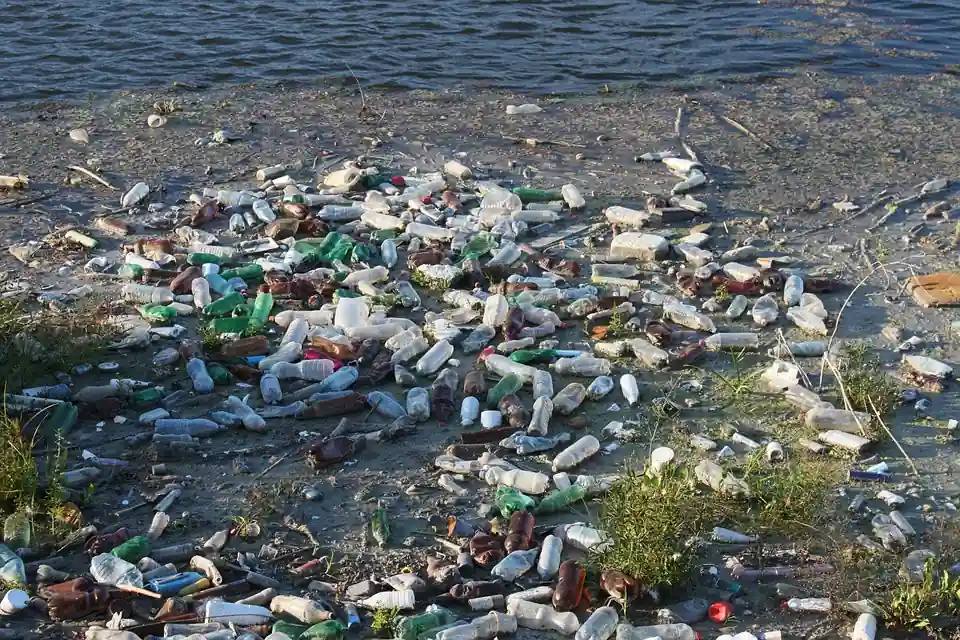
Scientists have discovered that communities of creatures like crabs and anemones have started living on the Great Pacific Garbage Patch. If you haven’t heard of it before, the Great Pacific Garbage Patch is a massive area of trash in the Pacific Ocean between Hawaii and California.
Recently, researchers found that different types of invertebrates are living and reproducing on the plastic garbage that has been floating in the ocean for years. Scientists think the plastic garbage patch is creating a new ecosystem for species that do not normally live in the ocean.
Organic trash like wood, food, and cardboard decompose and sink to the bottom of the ocean. However, plastic trash floats in the ocean for a very long time and gives different types of creatures a place to live and reproduce.
The researchers say that different types of species from the coast were found on 70% of the trash they studied.
Scientists are not sure of the impact of new species living in the ocean. They are also not sure how the species from the coast arrived at the Great Pacific Garbage Patch.
The Great Pacific Garbage Patch is the largest area of ocean plastic in the world. It is an area twice the size of Texas. Researchers say it’s not like an island made of trash, but lots of small pieces of plastic over a large area.
Vocabulary20 words
- Scientist
- a person who studies science or the natural world; researcher
- Discover
- to find, especially unexpectedly; to become aware of;
- Community
- a group of people or things which live or work together in the same area or share common interests or goals
- Creature
- An animal or other living organism, usually unfamiliar
- Crab
- ?; A type of sea creature with a hard shell and pincers
- Patch
- a small area that is different from the surrounding area
- Massive
- very large; giant; huge
- Researcher
- a person who does research; a person who studies something to find new results
- Find
- realize; learn; discover;
- Invertebrate
- An animal without a backbone, such as an insect or a worm
- Reproduce
- When living things reproduce, they produce young plants, animals, etc.; to produce a new living thing of the same type as itself
- Float
- To stay on the surface of a liquid without sinking
- Ecosystem
- a community of living and non-living things that interact with each other in a specific environment or region
- Species
- a set of animals or plants that have similar characteristics/qualities to each other; type of animal or plant
- Organic
- Relating to or made from living matter
- Decompose
- To break down into smaller parts, usually a natural process
- Sink
- To go below/under the surface of a liquid or to cause something to go below the surface of a liquid
- Coast
- the land along the edge of the sea or an ocean; where land meets water
- Impact
- influence; effect; consequence; to make change
- Twice the size of
- Two times larger than something else; two times bigger; double the size
📚 Ready to use these words in a real conversation?
Practice live with a real tutor on Preply.

✅ Nice work on the quiz!
Keep the momentum going — book a live English lesson with a Preply tutor.
Discussion questions
- What do you think about the discovery of new species living on the Great Pacific Garbage Patch? Is it surprising or expected?
- Do you think the plastic garbage patch is a serious environmental problem? Why or why not?
- What responsibility do companies have in reducing plastic waste in our oceans?
- What steps can individuals take to reduce their plastic waste?
🎓 Enjoyed this story?
Turn today's reading into real speaking practice with a live Preply tutor.
More Nature stories
Next story · Medium
Engineers break paper airplane record