
Are radio collars killing cheetahs in India?
Listen to the story (New Zealand accent)
Cheetahs became extinct in India in 1952, but a project by the Indian government brought 20 cheetahs back to the country last year. The animals were brought to Kuno national park, Madhya Pradesh.
Unfortunately, eight cheetahs have died so far. Some of the deaths were because of natural reasons like heart failure from stress or mating injuries. However, animal experts and veterinary doctors say that the last two deaths were caused by maggot infestations due to skin infections.
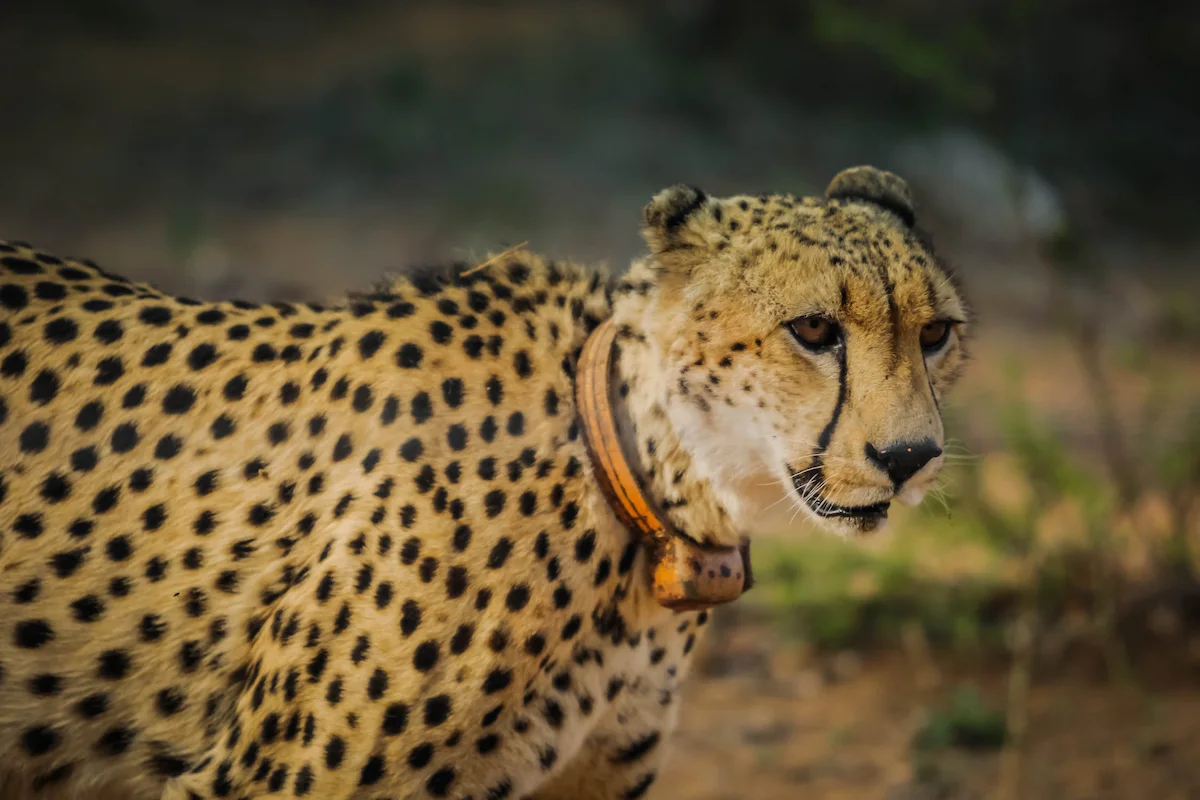
The skin infections might be related to the radio collars that the animals wear.
The government says that the radio collars aren’t a problem, but experts say that those injuries also happen to other big cats, especially during India's hot and humid rainy season.
Radio collars help monitor cheetahs for their safety, but humidity makes them itchy. During India’s humid rainy season, the animals scratch their skin a lot. This can break skin, attract flies, and cause maggots, infections, and death.
The cheetah project in India is very important, and people are worried about how to keep the animals safe after the recent deaths. Experts suggest checking all the remaining cheetahs for similar injuries and giving them treatment if needed.
When the project to bring cheetahs back to India started, they thought about half of them might die in the first year. The deaths that happened are a learning experience, and it may take five to 10 years for cheetahs to be safe in India.
Vocabulary25 words
- Extinct
- no longer alive; no longer existing; no longer used;
- Government
- the group of people who have the authority to make and enforce laws and manage a country or region; the people/group that manage and operate a country
- Bring back
- to return something that was gone;
- National park
- A park or land that is protected by a country's government
- Unfortunately
- it is not good; something bad or sad happened
- So far
- until now; up to the present moment or time
- Heart failure
- when the heart stops working correctly and can't pump/move blood normally
- Stress
- a feeling of worry, pressure and/or anxiety that can happen when something is difficult or challenging
- Mate
- to come together to produce offspring; to come together to make babies
- Injury
- wound; damage to the body; broken body part
- Expert
- a person with great knowledge and experience in a trade or profession
- Veterinarian
- animal doctor; doctor for animals
- Cause
- make something (usually bad) happen; create
- Maggot
- a small, worm-like creature that is often found in dead or decaying matter
- Infestation
- a large number of insects or other pests that live in a place they are not wanted;
- Infection
- a sickness or disease caused by germs;
- Radio collar
- a device that is attached to an animal and sends out signals that can be tracked by radio
- Humid
- having a lot of moisture in the air; when the air feels wet and sticky, often during hot weather
- Monitor
- Observe and check over a period of time; to watch and look for changes; track
- Scratch
- to use your nails or claws to gently rub or scrape against something;
- Attract
- to cause something to come toward something else; to pull or draw someone or something toward them
- Fly
- a small insect with wings that can fly
- Remaining
- the ones that are left after some have been taken away
- Treatment
- medical care; surgery; the process of fixing an injury or illness
- Learning experience
- an event or action that you learn from, even if it is not pleasant
📚 Ready to use these words in a real conversation?
Practice live with a real tutor on Preply.

✅ Nice work on the quiz!
Keep the momentum going — book a live English lesson with a Preply tutor.
Fill-in-the-blank listening
Play the audio again and fill in the missing words as you listen.
Cheetahs became extinct in India in 1952, but a project by the Indian government _____ 20 cheetahs back to the country last year. The animals _____ brought to Kuno national park, Madhya Pradesh.
Unfortunately, eight cheetahs have died so far. Some of the deaths were because of _____ reasons like heart failure from stress or mating injuries. However, animal experts and veterinary doctors say that the last two _____ were caused by maggot infestations due to skin infections.
The skin infections might be related to the radio collars that the animals wear.
The government says that the radio _____ aren’t a problem, but experts say that those injuries _____ happen to other big cats, especially during India's hot and humid rainy season.
Radio collars help _____ cheetahs for their safety, but humidity makes them itchy. During India’s humid rainy season, the animals scratch their skin a lot. This can _____ skin, attract flies, and cause maggots, infections, and _____.
The cheetah _____ in India is very important, and people are worried about how to keep the animals safe after the recent deaths. Experts suggest checking all the remaining _____ for similar injuries and giving them treatment if needed.
When the project to _____ cheetahs back to India started, they thought about half of them might die in the _____ year. The deaths that happened are a learning experience, and it may _____ five to 10 years for cheetahs to be safe in India.
Discussion questions
- What do you think about the Indian government's project to bring back cheetahs? Do you think it's a good idea? Why or why not?
- How important do you think it is to use radio collars to monitor animals like cheetahs? Are there any other ways to track them safely?
- What do you think can be done to protect cheetahs during India's humid rainy season and prevent similar injuries?
🎓 Enjoyed this story?
Turn today's reading into real speaking practice with a live Preply tutor.

More Nature stories
Next story · Medium
UK shoppers are buying less soap