
A worm survived 46,000 years in frozen dirt
Listen to the story (Tanzanian accent)
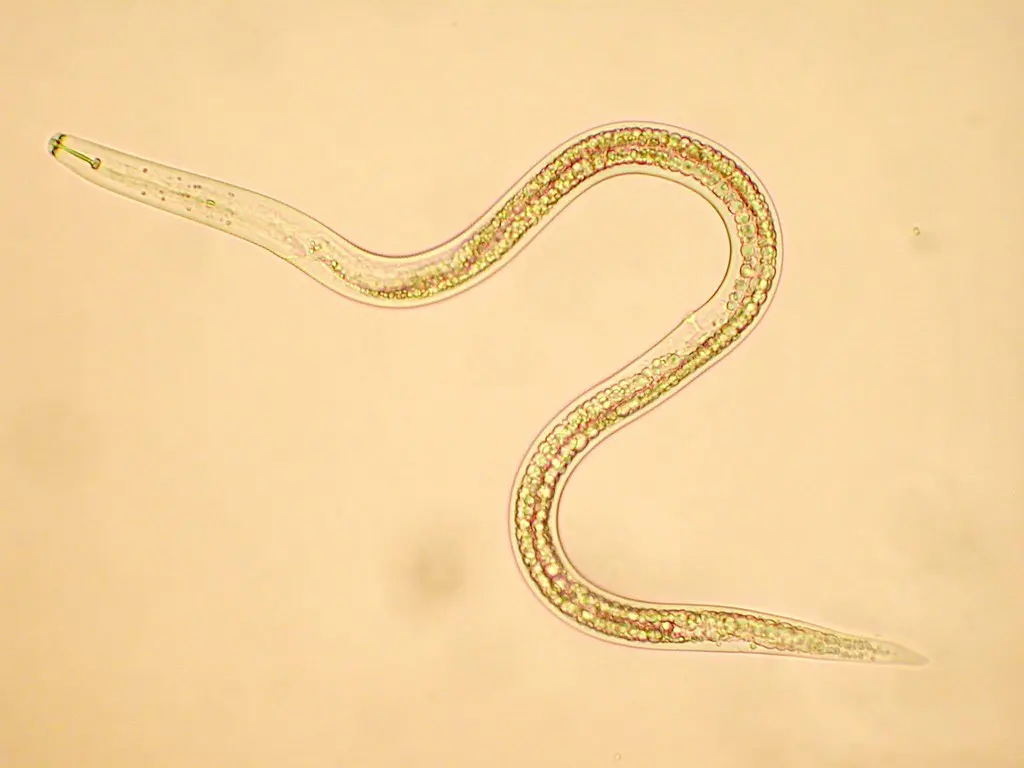
Scientists have found a tiny worm that was frozen for around 46,000 years. The worm, called a nematode, was discovered in frozen ground called permafrost in Siberia, Russia.
Nematodes are small worms that live all over the world. They are tough and can survive in extreme environments like freezing temperatures or dry deserts.
This particular nematode was able to survive for so many years by going into a deep sleep called cryptobiosis. During this time, it didn't eat, breathe or have any metabolism, which is the process of turning food into energy.
The scientists who found the worm were surprised by how well it had been preserved. They were able to revive it and it started to crawl again. This is the first time that a nematode has been revived after being in a deep sleep for so long.
The scientists are now studying the worm's DNA to try to understand how it was able to survive for so long. They hope that their research will help them to understand how other animals can adapt to extreme environments.
The worm was female and had the ability to reproduce without a male. After it thawed, it started making babies just eight to twelve days later. Unfortunately, the original worm died, but scientists are using its descendants for more research.
Studying the genes of these worms can help us understand how animals might adapt to climate change. Scientists are excited to learn more about these creatures.
Vocabulary29 words
- Scientist
- a person who studies science or the natural world; researcher
- Tiny
- very, very small
- Worm
- a small, soft creature without any bones. It looks like a long tube and lives in the soil
- Frozen
- something is turned into “ice” because it is very, very cold
- Discover
- to find, especially unexpectedly; to become aware of;
- Ground
- floor; earth; solid surface
- Permafrost
- ground that stays frozen all year long, even in the summer
- Tough
- something is very strong and can handle difficult situations
- Survive
- To stay alive or keep going even if the situation/circumstance is difficult or dangerous
- Extreme
- serious or dangerous; “high”; most; greatest
- Environment
- the natural world; the place we live; the area around us; nature; Earth
- Desert
- a dry, hot area with very little water and few plants
- Particular
- Specific or special
- Breathe
- Take air into your body and let the air out again
- Metabolism
- the way our bodies use food and energy to stay alive; chemical processes that occur in living cells and tissues to maintain life
- Preserve
- to maintain; protect; save; to keep it going
- Revive
- to bring something back to life or make it active again;
- Crawl
- to move slowly on the ground, usually on hands and knees; some animals like snakes, snails, worms and crabs crawl
- DNA
- ? small parts of living things that give instructions to the body on how to grow
- Research
- the process of studying a subject to learn more about it and gain new understanding
- Adapt
- to change or modify something to suit/fit a new situation or purpose; to get used to
- Female
- woman; girl; a person/animal that can produce eggs and give birth to young
- Reproduce
- When living things reproduce, they produce/make babies, young plants, young animals, etc.; to produce a new living thing of the same type as itself
- Male
- man; boy
- Thaw
- to become unfrozen or melt after being frozen; warm up something that is frozen
- Descendant
- a person or animal that comes from a family that lived before them; a person or living thing related to someone from an earlier generation
- Gene
- a small part of DNA that contains information that determines traits, such as eye color or height
- Climate change
- the fast and dangerous change in weather happening around the world
- Creature
- An animal or other living organism, usually unfamiliar
📚 Ready to use these words in a real conversation?
Practice live with a real tutor on Preply.

✅ Nice work on the quiz!
Keep the momentum going — book a live English lesson with a Preply tutor.

Fill-in-the-blank listening
Play the audio again and fill in the missing words as you listen.
Scientists have found a _____ worm that was frozen for around 46,000 years. The worm, _____ a nematode, was discovered in frozen ground called permafrost in _____, Russia.
Nematodes are small worms that live all over the world. They are tough and can survive in extreme _____ like freezing temperatures or dry deserts.
This particular nematode was _____ to survive for so many years by going into a deep _____ called cryptobiosis. During this time, it didn't eat, breathe or have any metabolism, which is the process of _____ food into energy.
The scientists who _____ the worm were surprised by how well it had been preserved. They were able to revive it and it started to _____ again. This is the first time that a nematode has been _____ after being in a deep sleep for so long.
The scientists are _____ studying the worm's DNA to try to understand how it was able to _____ for so long. They hope that their research will help them to understand how other _____ can adapt to extreme environments.
The worm was _____ and had the ability to reproduce without a male. After it thawed, it started making _____ just eight to twelve days later. Unfortunately, the original worm died, but scientists are _____ its descendants for more research.
Studying the _____ of these worms can help us understand how animals might adapt to climate change. Scientists are excited to learn more about _____ creatures.
Discussion questions
- What do you think about the discovery of the frozen worm? How does it make you feel?
- Would you like to see more research on nematodes and other creatures that can survive extreme conditions? Why or why not?
- Do you think studying the genes of these worms can have any benefits for humans? If yes, how?
- What are some of the ethical considerations involved in studying the genes of these worms?
🎓 Enjoyed this story?
Turn today's reading into real speaking practice with a live Preply tutor.

More Nature stories
Next story · Medium
Lamborghini could sell 10,000 cars this year