
Japan has invasive raccoon problem
Listen to the story (Kenyan accent)
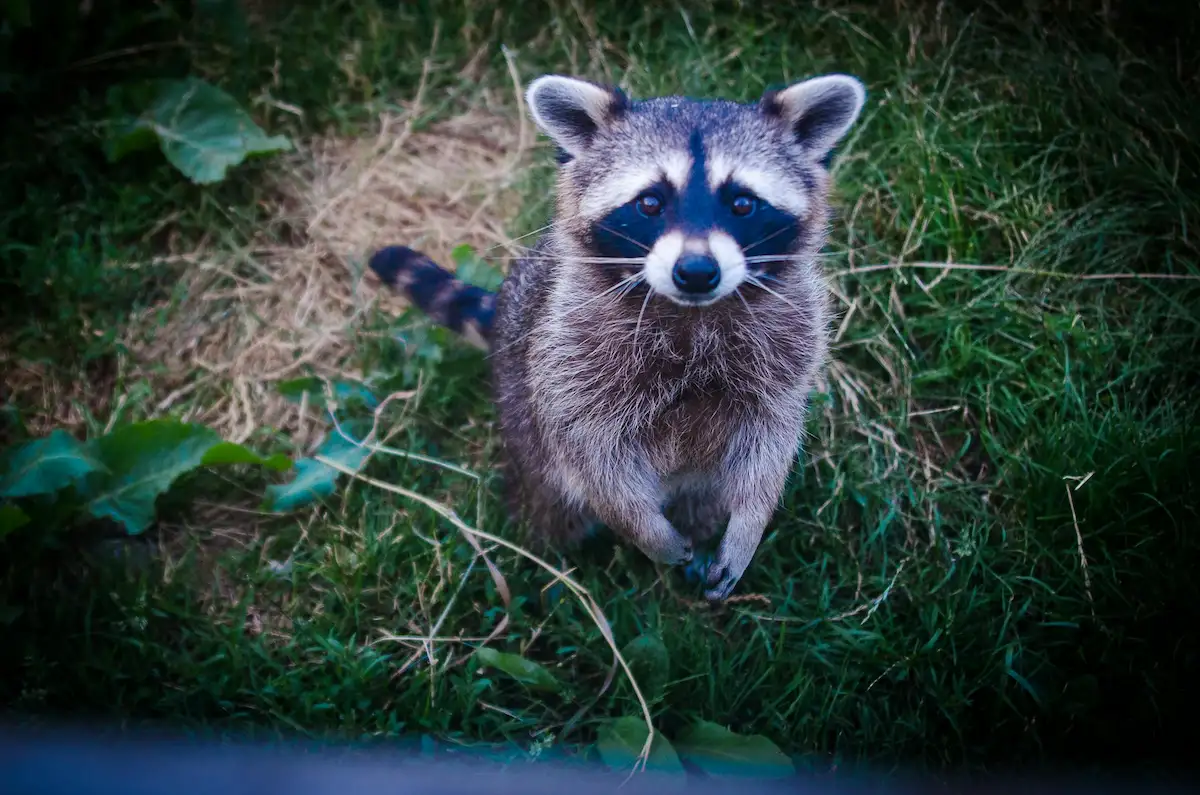
Raccoons in Japan are a problem. In 2022, Tokyo’s government said they caught about 1,300 raccoons. That is 400% more than ten years ago.
Raccoons are invasive and not originally from Japan. In the 1970s, there was a popular cartoon show called “Rascal the Racoon.” People liked the raccoon in the show and then started to bring them to Japan to keep as pets.
Some years, more than 1,500 raccoons were brought into the country.
However, raccoons like to destroy things and sometimes bite. They are also expensive to take care of. Because they are difficult pets, many families released their pet raccoons into the wild.
In Japan, no other animals eat or attack raccoons. So, very quickly there were raccoons everywhere in the country. They cause damage to the environment and farms.
Raccoons are smart. They can break or avoid traps, so they are difficult to catch.
Germany also has a problem with invasive raccoons. They were brought there in the 1930s for their fur.
Vocabulary20 words
- Raccoon
- ?; a masked animal with a bushy tail, about the size of a small dog
- Government
- the group of people who have the authority to make and enforce laws and manage a country or region; the people/group that manage and operate a country
- Catch
- To capture or trap something; Grab something or someone
- Invasive
- not natural to the area, spreads quickly and is harmful to the new area
- Popular
- Liked by many people; something many people like; common; frequent
- Cartoon
- A funny drawing that tells a story; a movie made using characters and images that are invented and drawn
- Show
- A story or program you watch on television; a short “movie” on TV
- Destroy
- to “end” something by damaging it or attacking it; wreck; demolish; break
- Bite
- Using the teeth to cut or clamp onto something
- Take care of
- To look after someone or something to make sure they are safe and healthy; to help someone or something stay alive
- Release
- To let go or set free; to let out into the world; to let something out
- Wild
- Living in a natural state, not kept or controlled by humans; Not in a zoo or someone's home, where animals live freely
- Attack
- To use force to harm or damage something or someone; When someone tries to hurt or harm
- Cause
- make something (usually bad) happen; create
- Damage
- physical harm that is done to something; destruction; injury;
- Environment
- the natural world; the place we live; the area around us; nature; Earth
- Farm
- A place where plants or animals are grown;
- Avoid
- stay away from; keep away; try not to do
- Trap
- A device/machine for catching animals;
- Fur
- The soft hair that covers the bodies of some animals
📚 Ready to use these words in a real conversation?
Practice live with a real tutor on Preply.

✅ Nice work on the quiz!
Keep the momentum going — book a live English lesson with a Preply tutor.
Fill-in-the-blank listening
Play the audio again and fill in the missing words as you listen.
Raccoons in _____ are a problem. In 2022, Tokyo’s government said they caught about _____ raccoons. That is 400% more than ten years _____.
Raccoons are invasive and not _____ from Japan. In the 1970s, there was a popular cartoon show called “Rascal the Racoon.” _____ liked the raccoon in the show and then started to bring them to Japan to _____ as pets.
Some years, more than _____ raccoons were brought into the country.
However, raccoons like to destroy things and _____ bite. They are also expensive to take care of. Because they are difficult pets, many _____ released their pet raccoons into the wild.
In Japan, no other _____ eat or attack raccoons. So, very quickly there were _____ everywhere in the country. They cause damage to the _____ and farms.
Raccoons are smart. They can break or _____ traps, so they are difficult to catch.
Germany also has a problem with _____ raccoons. They were brought there in the 1930s for their _____.
Discussion questions
- Why do you think people wanted to keep raccoons as pets after watching “Rascal the Raccoon”?
- What can people do if they buy a pet and then they don't want to take care of it anymore?
- Should people be allowed to bring wild animals into the country as pets? Why or why not?
- How can people and governments work together to solve the problem of invasive raccoons?
Common questions
Are there raccoons in Japan?
Yes — but they are an invasive species, not native. Raccoons were brought to Japan in the 1970s after the cartoon 'Rascal the Raccoon' made them popular as pets. Many escaped or were released, and the wild population has grown ever since.
How big is Japan's raccoon problem?
Tokyo's government reported that nearly 1,300 raccoons were caught in 2022 — about 400% more than a decade earlier — and the population has increased significantly across Japan since 2014.
Why were raccoons brought to Japan?
A popular 1970s anime, 'Rascal the Raccoon' — based on Sterling North's book about raising a baby raccoon — made raccoons so popular that people imported them as pets. When the pets proved difficult to keep, many were released into the wild.
🎓 Enjoyed this story?
Turn today's reading into real speaking practice with a live Preply tutor.

More Nature stories
Next story · Easy
Bayer Leverkusen first team to win Bundesliga undefeated